Linguistics and Basque
 I
suppose I really started getting into Linguistics in 2024, but I've realized it permeates through a lot
of my other interests. For example, with my genealogical interest, a lot of research in my family, being
Jewish and coming from the former Russian Empire, involves translating several different languages,
including Russian, Polish, And Hebrew, and learning those alphabets. Learning a little bit about those
languages, some key phrases, dates and months, first names helps me greatly in reading documents without
hiring an expensive translator. Besides that, I've also had always had an interest In world studies
beyond the scope of the United States. It seems like linguistics has this perfect combination of
globality and mystery-solving in a very niche topic.
I
suppose I really started getting into Linguistics in 2024, but I've realized it permeates through a lot
of my other interests. For example, with my genealogical interest, a lot of research in my family, being
Jewish and coming from the former Russian Empire, involves translating several different languages,
including Russian, Polish, And Hebrew, and learning those alphabets. Learning a little bit about those
languages, some key phrases, dates and months, first names helps me greatly in reading documents without
hiring an expensive translator. Besides that, I've also had always had an interest In world studies
beyond the scope of the United States. It seems like linguistics has this perfect combination of
globality and mystery-solving in a very niche topic.
But what especially turned me on to linguistics is my foray into learning the Basque (Euskara) language.
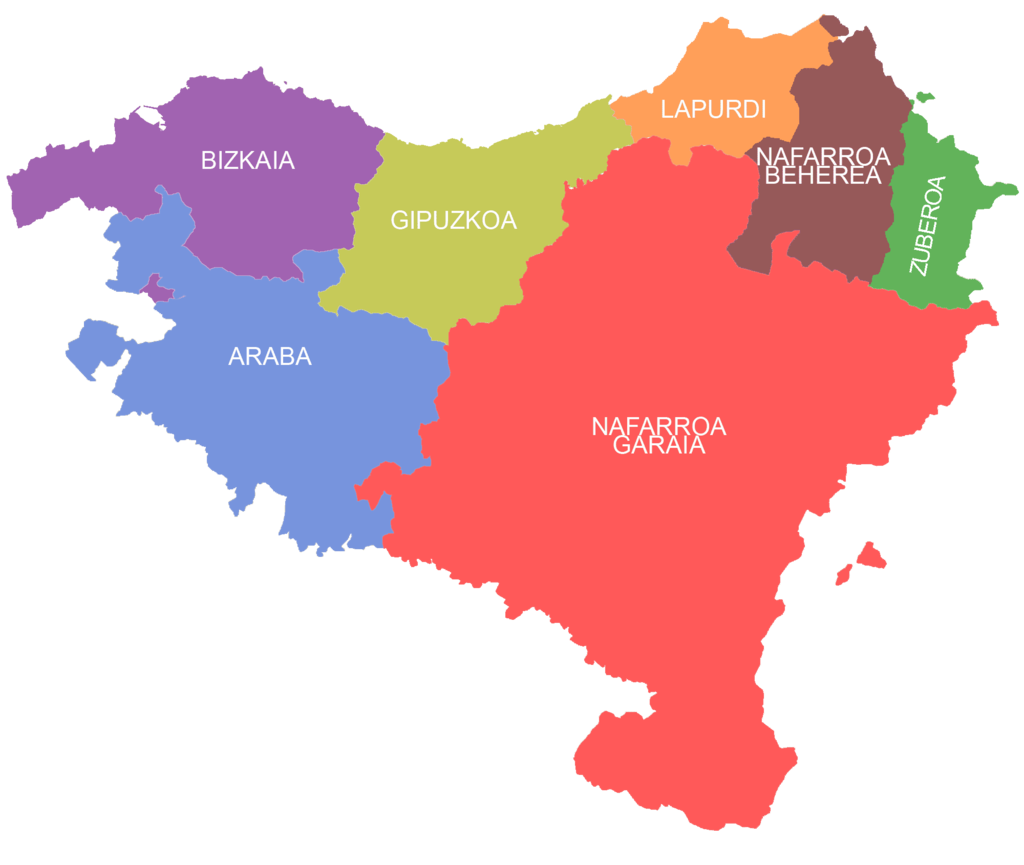 The Basque
language, which is a language isolate located in northeastern Spain and southwestern France, is thought
to be the only surviving Paleo-European language left in Europe (AKA the only one predating the arrival
of the Indo European languages). This makes it unique among European languages in that it in most ways,
it is completely unintelligible when compared to a language such as English, French, and Spanish (the
common languages you'd find in a language course in the US). Because of those qualities, I found that it
is a really interesting language to learn because it's so different to me, but familiar at the same time
due to the high amount of Spanish loanwords, that I can recognize from my limited Spanish speaking
abilities.
The Basque
language, which is a language isolate located in northeastern Spain and southwestern France, is thought
to be the only surviving Paleo-European language left in Europe (AKA the only one predating the arrival
of the Indo European languages). This makes it unique among European languages in that it in most ways,
it is completely unintelligible when compared to a language such as English, French, and Spanish (the
common languages you'd find in a language course in the US). Because of those qualities, I found that it
is a really interesting language to learn because it's so different to me, but familiar at the same time
due to the high amount of Spanish loanwords, that I can recognize from my limited Spanish speaking
abilities.
Since I had learned Spanish in middle school and high school, I found that some loan words were used in the Basque language, and this has helped me in my exploration through the language, even though the grammar and syntax is completely different than any language I'm familiar with. Having several words in the language makes it more familiar to me. It is rather a dying off language with decreasing speakers over time (especially because of Francisco Franco's censorship of the language). Therefore it feels cool to be learning a language with not so many speakers. That's what's really led me on my journey of exploring other endangered languages, language isolates and interesting language migrations.
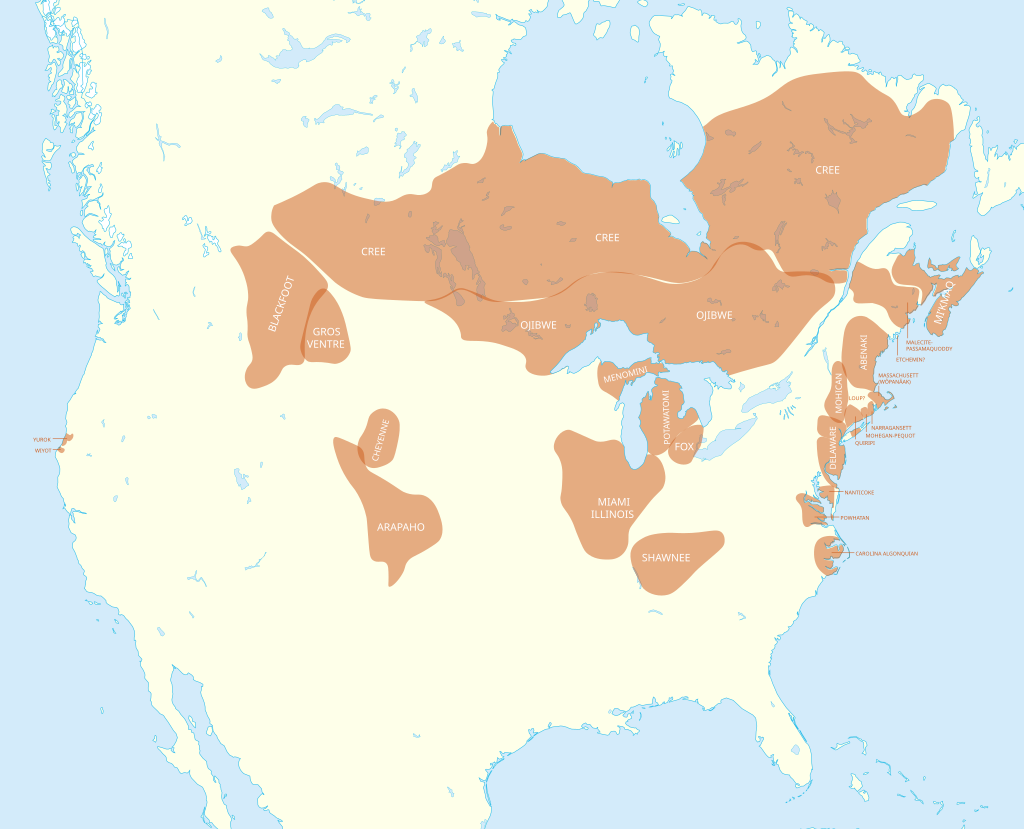 For example did you know that in
the Algic language family, there are two languages all the way in Northern California pretty close to
where I live called Yurok and Wiyot, which have become totally far apart from their cousins, the
Algonquin languages, which are mostly situated in the Great Lakes area, New York and Canada. That is
because Wiyot and Yurok are thought by professional linguists to be the last languages still around the
original location of the Algonquin languages. The others spread all the way East across thousands of
miles. It's those kinds of human stories that fascinate me and have inspired my "Shavtakeni" Conlang, a
constructed language with Indo-European Baltic origins that migrated down the Dnieper River to the Black
Sea, reaching Abkhazia (in Georgia) and picking up their unique phonology.
For example did you know that in
the Algic language family, there are two languages all the way in Northern California pretty close to
where I live called Yurok and Wiyot, which have become totally far apart from their cousins, the
Algonquin languages, which are mostly situated in the Great Lakes area, New York and Canada. That is
because Wiyot and Yurok are thought by professional linguists to be the last languages still around the
original location of the Algonquin languages. The others spread all the way East across thousands of
miles. It's those kinds of human stories that fascinate me and have inspired my "Shavtakeni" Conlang, a
constructed language with Indo-European Baltic origins that migrated down the Dnieper River to the Black
Sea, reaching Abkhazia (in Georgia) and picking up their unique phonology.
At Pomona College, I'm majoring in linguistics and learning a lot more practical skills in phonology, syntax, and semantics/pragmatics. Linguistic classes are extremely challenging at times, but also really rewarding, especially in a liberal arts institute, because it gives you access to a lot of different related skills in very mathy quantitative analysis along with more humanistic sociological and fieldwork practices. Although I may not pursue a professional career in linguistics, I'm still really interested in the field and I'm glad I'm immersing myself in it for a couple years.